
Classic watches
Vintage watches brought back to life
Based in Spain, Antares Vintage Watches is an independent workshop dedicated to the restoration, authentication, and preservation of vintage mechanical timepieces. Every watch is personally inspected, serviced, and documented before being offered for sale.

The Watchmaker Behind Antares
Behind every watch at Antares is my personal commitment to horological preservation. My approach to horology is rooted in my background in engineering, where I developed a deep appreciation for precision, materials, and structural integrity. What began as a dedicated hobby grew into a full-time professional commitment in 2018, when I decided to channel my expertise into the restoration of vintage timepieces. Since then, I have restored and sold more than 800 watches, shipping them wordwide. Each watch in this collection passes through my bench, where I personally take care of the full service and restoration. Over the years, I have worked on watches from Rolex, Omega, Longines, Certina, Tissot, Seiko, Enicar, Zenith and many other manufacturers.
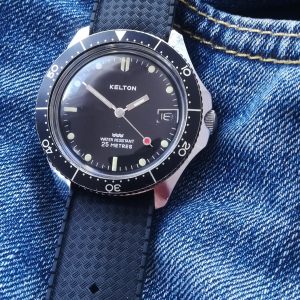
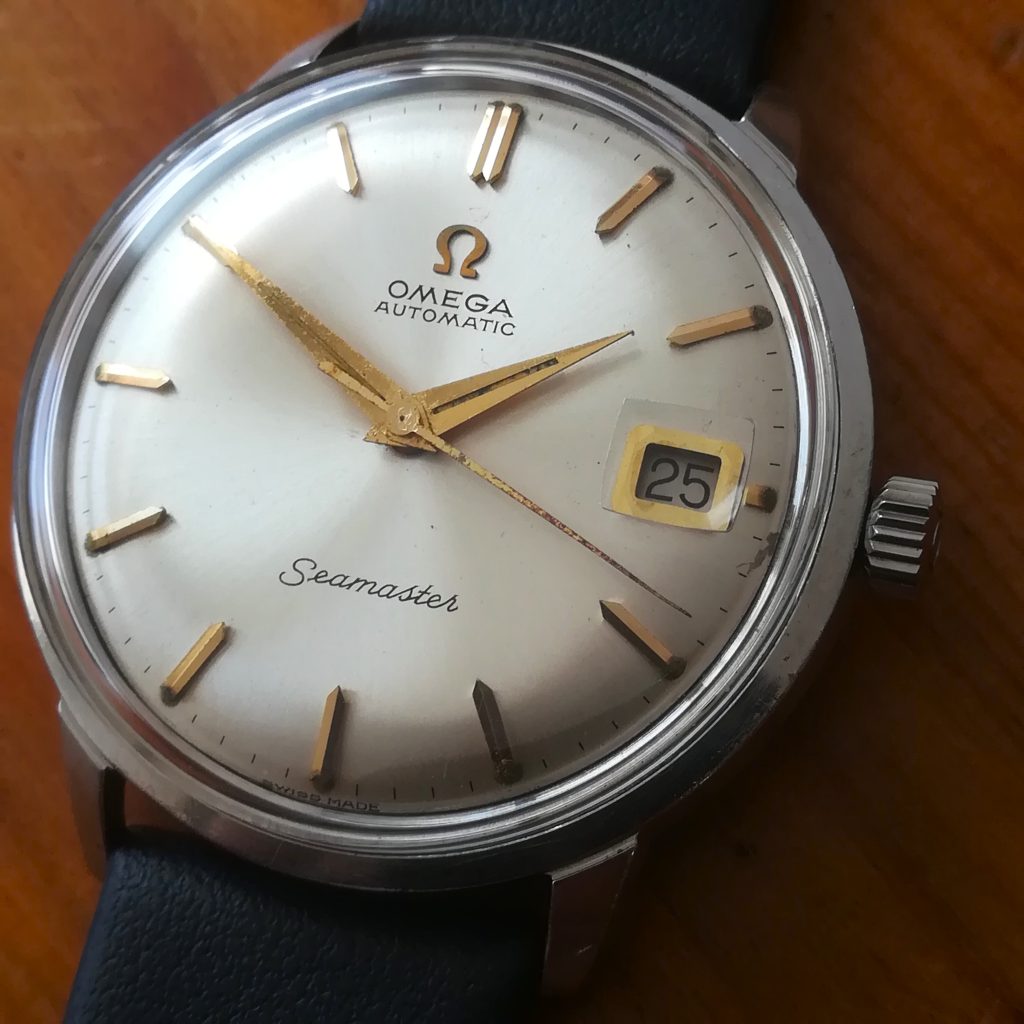
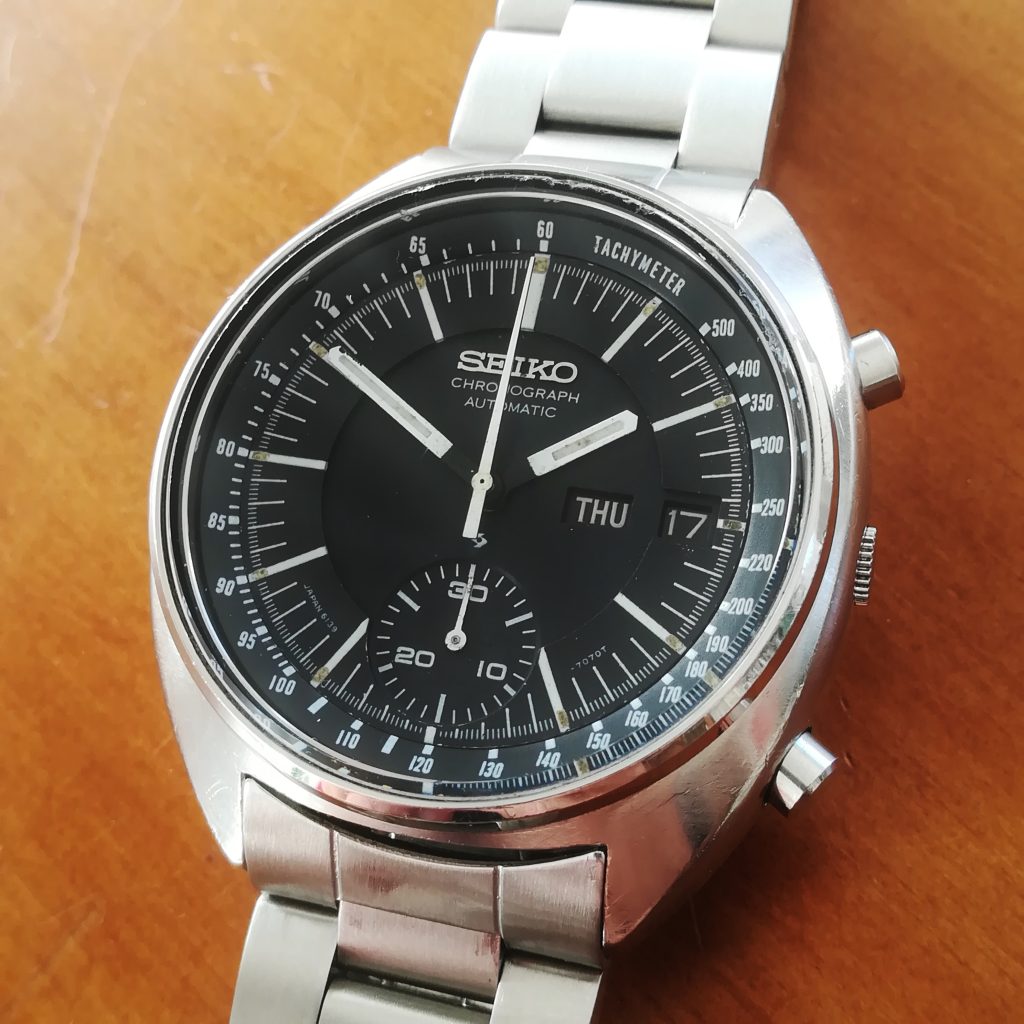
My goal is to bridge the gap between a historical artifact and a reliable daily wearer. Whether it’s a robust Seiko chronograph or a delicate mid-century Omega, I ensure that when a timepiece leaves my hands, it has been verified to meet the standards of reliability that a modern collector deserves. When you acquire a watch from Antares, you are benefiting from years of technical study and a genuine passion for preserving the mechanical history of the 20th century.

Our process
Vintage watches are unique objects, and no two pieces are exactly alike. That is why each watch goes through a detailed process focused on authenticity, mechanical condition, and overall preservation.
1. Selection
I carefully source watches from trusted collectors, dealers, and private owners. I look for original pieces with character, avoiding heavily modified watches whenever possible. My goal is to offer watches that remain faithful to their history and original design.
2. Authenticity Verification
Every watch is examined to verify its authenticity. I check the movement, dial, case, crown, caseback, and reference numbers whenever available. Any replacement parts or non-original components are disclosed in the product description whenever identified.
3. Mechanical Inspection and Service
The movement is inspected and tested to assess its overall condition and performance. Then, a complete service is carried out to ensure the watch operates reliably while preserving its original character. Depending on the condition and construction of each timepiece, a full service may include:
- Complete disassembly of the movement
- Cleaning of all movement components
- Inspection and replacement of worn or damaged parts when necessary
- Lubrication and reassembly according to manufacturer specifications
- Regulation and timing adjustment
- Cleaning of the case and bracelet, new strap if required
- Replacement of gaskets when applicable
- Functional testing and final quality checks
As every vintage watch is unique, the work performed may vary from one timepiece to another. Any significant repairs or replaced components are disclosed whenever relevant.
4. Cleaning and PreservationEach watch is carefully cleaned while respecting its vintage character. I do not aim to make vintage watches look new. Signs of age, patina, and honest wear are often part of what makes a vintage watch special.
5. Photography and Documentation
Every watch is photographed individually using high-resolution images. The watch shown in the listing is always the exact watch you will receive.
6. Transparent Listing
I believe transparency is essential when buying vintage watches online. For that reason, descriptions are written to reflect the watch as accurately as possible.

Repair services
Is your cherished vintage watch losing time, or even completely stopped and shattered? We specialize in bringing any classic timepiece back to life, no matter its current state. Do not hesitate to contact us for a detailed repair and restoration quote.
- Precision
- Mechanical
- Fashion
Reviews
★★★★★ Rated 5 out of 5
The truth is, the watch feels like it has been really well inspected and adjusted. I will probably buy from this store again. Very happy.
Carol
★★★★★ Rated 5 out of 5
Item was exactly as advertised, seller was helpful with a few questions I had regarding the shipping and gave me extra information for how to use a watch as old as this one. Very satisfied.
Alex
★★★★★ Rated 5 out of 5
The watch works perfectly and looks elegant. Thank you!
Roberts
★★★★★ Rated 5 out of 5
Very nice watch. Exactly as advertised and expected. I am really satisfied. Great customer service. Thank you very much! Will keep an eye on other watches in the shop!
Jan
FAQ
How do you guarantee the authenticity of your vintage watches?
Having restored and sold more than 800 vintage watches since
2018, every watch at Antares undergoes a meticulous multi-point inspection. I
verify movement calibres, case reference numbers, dials, crowns and hands to
ensure every piece is a genuine historical artifact.
Over the years, I have worked extensively with watches from
Rolex, Omega, Longines, Certina, Tissot, Seiko, Enicar, Zenith and many other
manufacturers, allowing me to identify the details that distinguish original
examples from modified or incorrect ones.
For selected high-value pieces, additional documentation or a
Certificate of Authenticity may also be provided.
Do your vintage watches come with original papers and boxes?
Most watches from the 1930s–1970s lost their boxes and papers
over time. Unless stated in the description, I provide a padded presentation
box. This allows me to focus the value on the watch’s condition and mechanical
integrity.
How do you determine the production year of a vintage watch?
At Antares, we date our collection using three expert methods
to ensure historical accuracy:
•
Movement
Serial Numbers: This is the most accurate method for brands like Omega,
Longines, and Zenith. The serial number engraved directly on the movement can
be cross-referenced with official factory ledgers available online.
•
Case
Reference & Date Codes: Some brands, like Rolex, Certina or Seiko, use
a serial number on the case or the caseback.
•
Hallmarks
& Design Cues: We analyze logo evolutions, case signatures, and
silver/gold hallmarks to pinpoint the specific production window of mid-century
timepieces.
This rigorous research allows us to know the “birth
year” of every piece in our shop.
Is a vintage watch a suitable gift for anniversaries, birthdays, or holidays?
Yes, a vintage watch is the ultimate unique gift for
milestones like weddings, anniversaries,
graduations, or Father’s/Mother’s Day. Unlike modern mass-produced items,
an Antares watch offers a personal connection to history. Whether it is a
“Birth Year” Omega or a classic Seiko, every piece is serviced in-house. This ensures your
gift is not only a beautiful heirloom for Christmas
or Valentine’s Day but also a reliable, functional timepiece ready to be
worn and cherished immediately.
Can you help us choose the perfect pair of vintage watches for a wedding?
Absolutely. I regularly help clients choose “His &
Hers” vintage sets that celebrate your union with timeless style. Whether
you are looking for a classic Omega for the bride or a sophisticated Seiko for
the groom, I can provide personalized guidance to find a matching or
complementary pair. A vintage watch is the perfect wedding heirloom—unique,
mechanically significant, and a lasting symbol of your journey together.
Contact us for a tailored consultation to select the ideal timepieces for your
special day.
What does "Working and Serviced" actually mean?
It means the movement has been disassembled, cleaned, oiled, and calibrated by me as a professional watchmaker. Having restored and sold more than 800 vintage watches since 2018, I ensure that vintage pieces, from a 1934 Omega Tank to a 1974 Seiko Chronograph, are ready for reliable wear.
How accurate is a vintage mechanical watch?
Vintage mechanical watches (non-quartz) typically have a variance of 30–60 seconds per day. While not as precise as a smartphone, our serviced pieces are calibrated to perform at their highest historical potential.
What factors affect the timekeeping accuracy of a vintage mechanical watch?
The accuracy of a vintage timepiece is influenced by several horological factors that differ from modern quartz movements:
- Mechanical Regulation & Service History: Over time, specialized oils can dry out, increasing friction. At Antares, our watches are professionally serviced.
- Positional Error: Gravity affects the balance wheel differently depending on whether the watch is dial-up, crown-down, or on its side. High-grade vintage movements were often adjusted to multiple positions to minimize this variance.
- Isochronism & Mainspring Tension: As a manual-wind watch unwinds, the torque from the mainspring changes. A well-maintained watch uses a high-quality hairspring to maintain a consistent beat throughout its power reserve.
- Environmental Factors: Vintage alloys are more sensitive to temperature fluctuations and magnetic fields (from smartphones or speakers) than modern materials. While a variance of 30–60 seconds per day is standard for “collector-grade” vintage pieces, proper care and regular winding significantly enhance performance.
Are your watches waterproof?
No. Even “Oyster”, “Double Security” (DS) or “Water resistant” models from the 50s-70s should be kept away from water. Age affects gaskets and seals; we recommend treating every vintage watch as non-water-resistant to preserve its history.
How often should I service my vintage watch?
To maintain longevity, we recommend a professional service every 3-10 years, depending on how often you wear it. This prevents oil dry-out and unnecessary wear on the pivots
How should I care for my vintage watch if I only wear it occasionally?
Vintage mechanical movements thrive on regular movement but require specific care when stored. If you rotate your collection and wear a piece only once or twice a month, follow these expert guidelines:
- The “Quarterly Wind” Rule: Even if you aren’t wearing the watch, we recommend fully winding it at least once every 3 months. This keeps the internal lubricants (Moebius oils) distributed across the pivots and escapement, preventing them from “clumping” or drying out due to stagnation.
- Proper Storage: Store your timepiece in a dry, temperature-controlled environment away from direct sunlight. Avoid placing it near electronic devices like speakers or tablets, as the magnets inside can magnetize the vintage hairspring, causing the watch to run fast.
What is the correct way to wind manual and automatic vintage watches?
- Manual-Wind Watches: With the crown in its pushed-in position, rotate it clockwise between your thumb and index finger. You will feel a light clicking sound and increasing resistance. Crucial: Stop immediately once you feel a firm resistance, as forcing the crown beyond its natural stop can snap the mainspring.
- Automatic Watches: These are designed to wind themselves through the natural motion of your wrist via an internal rotor. However, if the watch has stopped, you should give it a “kickstart” by winding the crown clockwise about 20–30 times. Most vintage automatics feature a bridle system that allows the mainspring to slip once fully wound, so you cannot “over-wind” them, but gentle, slow turns are always best to reduce gear wear.
- The “Seiko Shake” Exception: Some vintage Seiko models do not allow for manual winding via the crown. For these, a gentle side-to-side motion for 1 minute is the correct way to engage the rotor and start the movement.
Are replacement parts used during servicing?
Whenever possible, original components are preserved. However, some parts may be too worn or damaged to function reliably after decades of use. When replacement is necessary, we aim to use correct period parts whenever available and always prioritize preserving the watch’s historical integrity. Significant replacements are disclosed whenever relevant.
What is the difference between a restored watch and an over-restored watch?
A properly restored watch has been serviced and preserved while maintaining its original character. An over-restored watch has often been excessively polished, modified, or fitted with incorrect parts, reducing its authenticity and collector appeal.
At Antares, our philosophy is preservation rather than transformation, retaining original components and honest patina whenever possible.
Do you ship vintage watches internationally?
Yes, we ship worldwide from Spain. We have extensive experience delivering luxury timepieces to collectors in the US, Europe, and Asia, ensuring all customs documentation is handled professionally.
Are US tariffs included in the price?
Yes. As required by the US Tariff law effective August 2025, the price includes tariffs and custom duties, as these must be pre-paid by the sender.
Will I have to pay for custom duties and fees?
If your country is USA or European Union, import duties, taxes, and customs charges are included in the price. For the rest of the world, these charges are the buyer’s responsibility. You can contact us for more info.
What is a Jumbo vintage watch and why is it desirable?
In the 1930s-70s, 33mm was standard. “Jumbo” watches (37mm+) are highly sought after because they offer vintage charm with modern wrist presence.
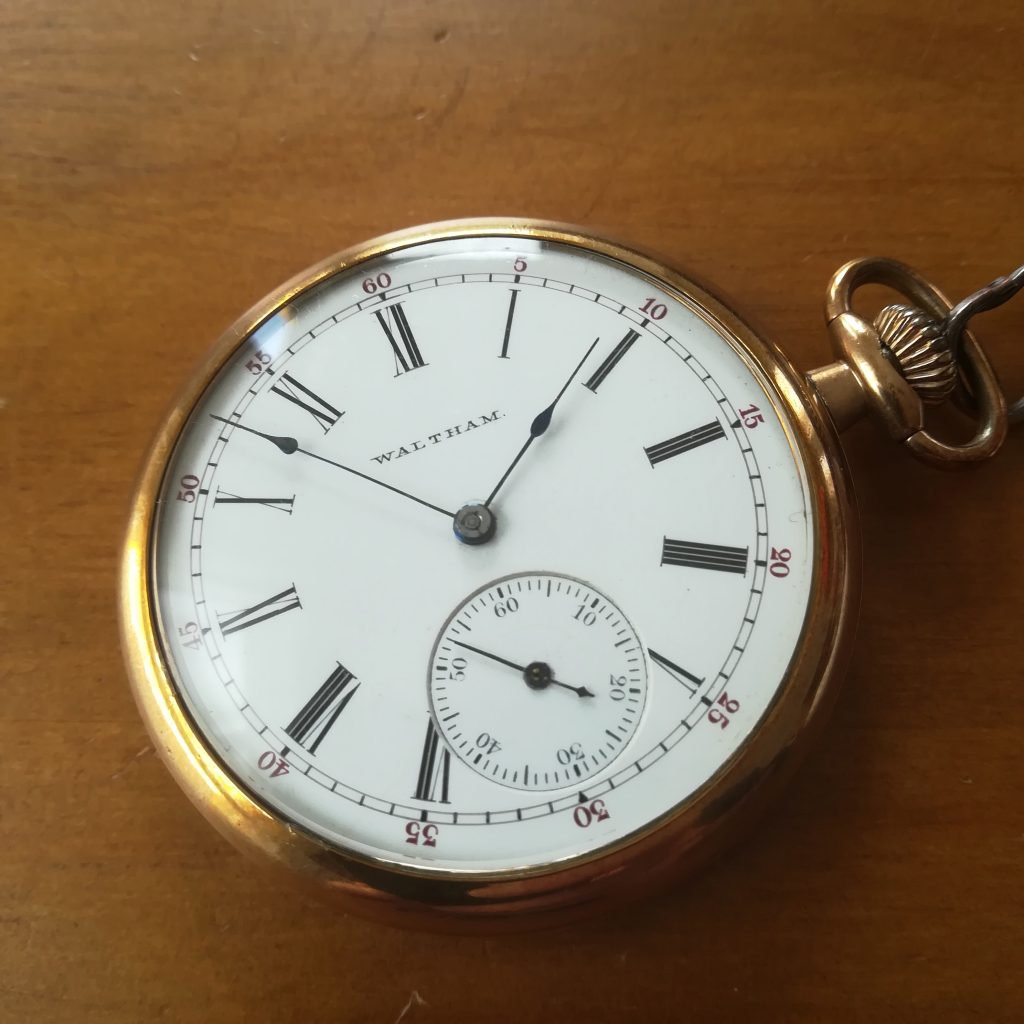
How do I properly wear a vintage pocket watch?
- The Importance of the Chain: A pocket watch should never be “loose” in your pocket. It should be secured with a chain. The clip goes through a waistcoat buttonhole or belt loop , while the swivel clip attaches to the watch’s bow (the ring at the top). This prevents accidental drops—the number one cause of damage to vintage balance staffs.
- Storage and Placement: When wearing a waistcoat (vest), the watch goes in the pocket opposite your dominant hand. For a casual look, it can be placed in the “watch pocket” (the small fifth pocket) of your denim jeans.
What is the difference between Men’s and Women’s vintage watches?
While vintage watches were originally categorized by gender, modern styling has blurred these lines. At Antares, we offer a diverse range based on wrist presence:
- Petite Vintage Pieces: We carry classic ladies’ watches that are intentionally small and jewelry-like. Due to their delicate proportions, these remain ideally suited for feminine wrists or those seeking a minimalist, refined look.
- The Unisex Appeal of Mid-Century Watches: Many “Men’s” watches from the 1950s (typically 33mm to 35mm) are now considered perfectly unisex. Their elegant, understated size makes them a sophisticated choice for women who appreciate mechanical heritage.
- Our Advice: Size is about proportion, not just labels. We provide exact measurements for every piece so you can choose a watch that fits your wrist comfortably, whether it’s a dainty cocktail watch or a bold, oversized “Jumbo” model.
Why are vintage watches often smaller than modern watches?
Watch sizes have changed considerably over the decades. While modern watches often measure 40–44mm, most vintage watches from the 1930s to the 1970s were produced between 30mm and 36mm.
At the time, smaller watches were considered elegant and perfectly proportioned. Today, many collectors appreciate these classic dimensions for their comfort, timeless design, and historical authenticity.
Is Patina a good thing on a vintage dial?
Yes! Collectors value “honest patina”—natural aging that proves the dial is original and hasn’t been repainted (redialed). A beautiful patina adds unique character and investment value
How do you calculate the price of the timepieces at Antares?
Our pricing is transparent and reflects the true collector’s value based on four key pillars:
- Rarity & Reference: We analyze the historical significance of the model, the specific calibre, and how rare that particular configuration is in today’s market.
- Mechanical Condition: You are not just buying a watch, but a piece that has been serviced by a professional watchmaker.
- Originality: We prioritize pieces with original dials, hands, and cases. A well-preserved “honest” patina often adds more value than a polished or restored watch.
- Market Trends: We monitor global auction results and specialist platforms to ensure our prices are competitive and fair for the international collector.
Do you accept returns?
Yes. We want you to be thrilled with your piece. If the watch doesn’t meet your expectations, we offer a return window (check our Terms for specific timeframes) provided the watch is returned in the same condition.
Can I request more photos or a video of a specific watch?
Certainly. We can provide videos of the movement running or the watch in different lighting. Just contact us via the product page.
Why should I buy from Antares instead of a large auction site or marketplace?
Large platforms are “buy at your own risk.” At Antares, you are buying a curated, authenticated, and serviced product backed by expert advice. I provide the “Why I picked this watch” context that you won’t find anywhere else.